
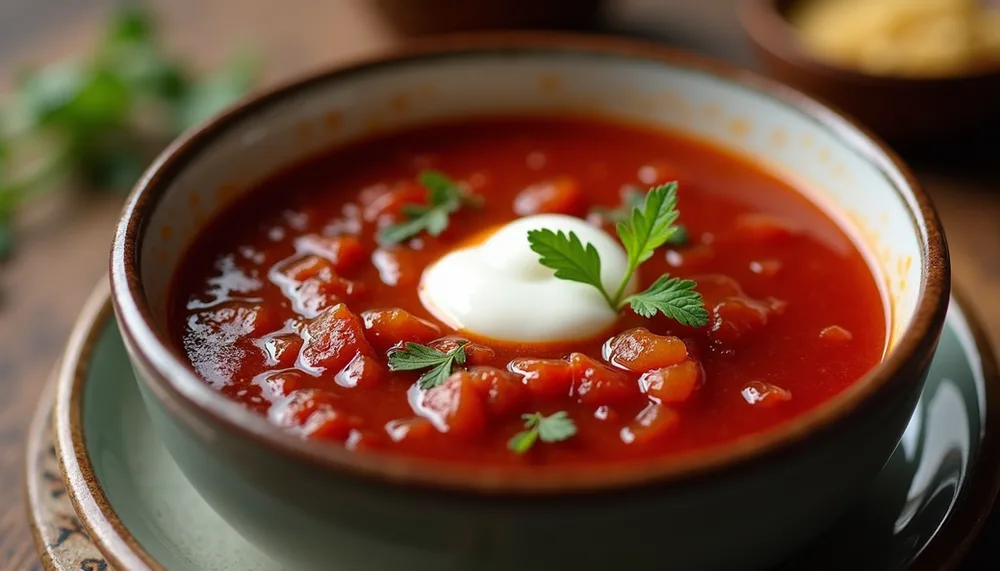
There is something deeply comforting about Slavic food. It carries the warmth of family gatherings, the aroma of slow-cooked meals, and the rich history of generations passed down through simple, hearty dishes. As I explore these traditional Slavic recipes, I find myself drawn into a world where food is more than sustenance — it is a celebration of culture, community, and love. Whether you are new to these flavors or a longtime admirer, the essence of Slavic cooking invites you to slow down, savor, and share.
What Is Slavic Food?
Slavic food is the home cooking of the Slavic peoples of Eastern and Central Europe — Ukraine, Russia, Belarus, Poland and their neighbors — with close cousins in Moldova and Romania. Every country has its own recipes, but Slavic cuisine shares common threads: fresh, seasonal ingredients, robust flavors, and a focus on comfort. Root vegetables, cabbage, beets, sour cream, dill, mushrooms and hearty grains like buckwheat and barley take center stage.
Why does Slavic food taste the way it does? Long winters taught cooks to preserve the harvest — pickling, fermenting and slow-cooking — so tangy sauerkraut, pickles and rich soups and stews are at its heart. Dough is everywhere too: dumplings, pies and pancakes made by hand, often with the whole family around the table.
The Heart of Traditional Slavic Recipes: Eastern European Comfort Food
One of my favorite dishes is borscht, a vibrant beet soup that is both tangy and sweet. It’s a perfect example of how simple ingredients can create something extraordinary. The slow simmering of beets, cabbage, potatoes, and a touch of vinegar fills the kitchen with a scent that feels like home. Served with a dollop of sour cream and a slice of rye bread, it’s a meal that warms the soul.
Another beloved recipe is vareniki — delicate dumplings filled with potatoes, cheese, or sauerkraut, much like Polish pierogi. Making vareniki is a joyful ritual, often done with family, where each fold and pinch carries a story. These little pockets of goodness are boiled, then lightly fried to golden perfection, offering a satisfying mix of textures.
Traditional Slavic Dishes to Try
If you are new to Slavic cuisine, these are the dishes to start with — you’ll find many of them on our menu:
- Borscht — the ruby-red beet soup of Ukraine, with sour cream and dill.
- Vareniki and pierogi — boiled dumplings with savory fillings like potato and cheese, or sweet ones like cherry and farmer’s cheese.
- Pelmeni — small Russian meat dumplings, served with sour cream or butter.
- Golubtsy (cabbage rolls) — cabbage leaves stuffed with rice and meat, simmered in tomato sauce.
- Chicken Kyiv (Chicken Kiev) — a crisp breaded chicken breast with a heart of garlic-herb butter.
- Beef stroganoff — tender beef in a creamy sour cream and mushroom sauce.
- Syrniki — golden farmer’s-cheese pancakes, a favorite Slavic breakfast.
- Pirozhki — small hand pies filled with meat, potato or cabbage.
- Blini and crêpes — thin pancakes served sweet with jam or savory with fillings.
- Olivier salad — the classic potato salad of every holiday table.
- Honey cake (medovik) and Napoleon cake — layered cakes that are the pride of every Slavic baker; find them in our cake shop, and more in our guide to Slavic desserts.
Popular Russian, Ukrainian and Polish Food
Slavic cuisine is one big family table, and many favorite dishes are shared across borders under different names:
- Ukrainian food: borscht, vareniki, holubtsi (cabbage rolls), Chicken Kyiv and syrniki.
- Russian food: pelmeni, beef stroganoff, Olivier salad, blini, pirozhki and honey cake (medovik).
- Polish food: pierogi, gołąbki (cabbage rolls), żurek soup and poppy seed roll.
- Moldovan food: zeama chicken soup, plăcinte and vertuta pastries, and sarmale cabbage rolls.
Easy Slavic Recipes to Make at Home
Bringing traditional Slavic recipes into your kitchen is easier than you might think — most rely on pantry staples and fresh produce. Here are three classics, simplified for a home kitchen.
Ukrainian Borscht Recipe
You need: 2 medium beets, 1 lb beef (brisket or chuck) or chicken, 3 potatoes, ¼ head of cabbage, 1 carrot, 1 onion, 2 tbsp tomato paste, 1 tbsp vinegar or lemon juice, garlic, dill, salt, pepper and sour cream to serve.
- Simmer the beef in 2½ quarts of water for about 1½ hours, skimming the foam. Take it out, cut it into pieces and return it to the broth.
- Grate the beets and carrot, chop the onion. Sauté them in a little oil with the tomato paste and vinegar for 10 minutes — the vinegar keeps the borscht ruby red.
- Add diced potatoes to the broth and cook 10 minutes, then the shredded cabbage for 5 more.
- Stir in the beet mixture, season with salt, pepper and garlic, and simmer 10 minutes. Let it rest — borscht is even better the next day.
- Serve with a spoon of sour cream, fresh dill and rye bread or garlic buns.
Stuffed Cabbage Rolls Recipe (Golubtsy)
You need: 1 large head of cabbage, 1 lb ground meat (or more rice and vegetables for vegetarian rolls), 1 cup cooked rice, 1 onion, 1 carrot, tomato sauce, sour cream, salt and pepper.
- Core the cabbage and simmer the whole head in salted water, peeling off the leaves as they soften. Shave the thick rib of each leaf.
- Mix the meat with the rice, half of the sautéed onion and carrot, salt and pepper.
- Place a spoonful of filling on each leaf, fold in the sides and roll up tightly.
- Lay the rolls seam-side down in a pot or baking dish, cover with tomato sauce mixed with the rest of the onion and carrot, and simmer or bake at 350 °F for about an hour.
- Serve with sour cream.
Classic Beef Stroganoff Recipe
You need: 1 lb beef tenderloin or sirloin, 1 onion, 8 oz mushrooms, 1 tbsp flour, 1 cup beef broth, ¾ cup sour cream, 1 tsp mustard, butter, salt and pepper.
- Cut the beef into thin strips and sear it quickly in hot butter, in batches. Set aside.
- In the same pan, cook the sliced onion and mushrooms until golden. Sprinkle with flour and stir in the broth.
- Off the heat, stir in the sour cream and mustard (so the sour cream doesn’t split), return the beef and warm through gently.
- Season and serve over egg noodles or mashed potatoes.
Tips for Cooking Slavic Food at Home
- Stock your pantry with buckwheat, barley, pickled vegetables and smoked meats.
- Use fresh herbs — dill, parsley and chives — to brighten every dish.
- Embrace fermentation: sauerkraut and pickles add tang and depth.
- Cook slowly. Soups, stews and cabbage rolls develop their flavor over time.
- Make dough from scratch for vareniki and pelmeni — it makes all the difference.
Where to Try Slavic Food in Anoka, MN
Not in the mood to cook? At Tasteful Delights Restaurant in Anoka, Minnesota, we make Slavic and Eastern European comfort food from scratch every day — Ukrainian borscht, Russian pelmeni, Moldovan cabbage rolls and plăcinte, Chicken Kyiv, and our homemade honey cake from the cake shop. If you have been searching for a Slavic restaurant near you in the Twin Cities north metro, from Coon Rapids and Andover to Ramsey and Elk River, come and visit.
- See the full menu and order online for pickup.
- Reserve a table for lunch or dinner.
- Take Slavic food home: frozen pelmeni and vareniki from our frozen shop, salads by the pound and party trays from our bulk orders.
Bringing Slavic Comfort Food to Your Events
One of the most beautiful things about Slavic cuisine is how it brings people together. Whether it’s a family dinner, a holiday celebration, or a community gathering, these dishes foster connection and joy. If you’re planning an event and want to offer something truly special, consider catering with authentic Slavic flavors.
Tasteful Delights offers catering that brings the warmth and tradition of Slavic cooking to your table. From hearty soups and savory vareniki to sweet pastries, the menu is designed to delight guests and create memorable experiences. Here are some ideas for your next event:
- Family-style dinners featuring a variety of traditional dishes.
- Buffet spreads with finger foods like stuffed cabbage rolls, pirozhki and crêpe rolls.
- Dessert tables showcasing honey cakes, Napoleon, and other sweet treats from our cake shop.
By choosing Slavic cuisine for your event, you invite your guests to savor something unique and heartfelt.
Embracing the Cozy Charm of Slavic Dining
What I love most about Slavic cuisine is its ability to make any meal feel like a warm embrace. The flavors are rich but never overwhelming, the ingredients humble but full of character. Eating these dishes is like stepping into a cozy kitchen where stories are shared, laughter fills the air, and every bite carries a sense of belonging.
Whether you try your hand at cooking these recipes at home or enjoy them at a local restaurant, discovering the essence of Slavic cuisine is a journey worth taking. It’s a celebration of heritage, flavor, and the simple joy of sharing a meal.
Slavic Food: Questions We Hear Often
Is Slavic food the same as Russian food?
Russian food is one part of it. Slavic cuisine also includes Ukrainian, Belarusian and Polish cooking, which share many dishes — borscht, dumplings, cabbage rolls — each with its own local recipe.
Are vareniki and pierogi the same?
Almost. Vareniki is the Ukrainian name and pierogi the Polish one for the same kind of filled, boiled dumpling. Pelmeni are smaller, filled with meat, and come from Russia.
Is there Slavic food for vegetarians?
Yes — potato and cheese vareniki, mushroom crêpes, vegetarian cabbage rolls, many salads and almost every dessert.
Where can I eat Slavic food near Anoka, MN?
At Tasteful Delights Restaurant on N 7th Ave in Anoka — see the menu or book a table.