
There is something truly magical about the sweet treats that come from Slavic kitchens. The aroma of honey warming on the stove, thin cake layers cooling on the counter, a cream that has to rest overnight before anyone is allowed a slice. Slavic desserts are rarely quick — and that is exactly why they taste like home. Here are the traditional Slavic desserts every family knows, a few recipes and tips to bake them yourself, and where to find them freshly made in Anoka.
What Makes Slavic Desserts Special?
Slavic desserts — from Ukraine, Russia, Poland, Belarus, and close neighbors like Moldova — are built on simple, honest ingredients: honey, butter, sour cream, farmer’s cheese, walnuts, poppy seeds, dried fruit and berries. Very little is decorative for its own sake. A cake earns its place through patience: many thin layers, a cream that soaks in slowly, a day of rest in the fridge.
They are also celebration food. A honey cake for a birthday, a Napoleon for New Year’s Eve, a poppy seed roll for Christmas, a tray of sweet pastries for Easter — in Slavic homes, the dessert tells you what day it is.
Traditional Slavic Desserts to Try
- Honey cake (medovik) — the famous Russian honey cake: eight or more thin honey sponge layers with a sour cream or caramel cream, rested until soft and tender.
- Napoleon cake — dozens of flaky puff pastry layers with vanilla custard cream, finished with crumbs on top. Known as tort Napoleon in Russia and Ukraine, and napoleonka in Poland.
- Bird’s Milk cake (ptichye moloko) — an airy soufflé between thin sponge layers, under a dark chocolate glaze.
- Spartak — a chocolate cousin of the honey cake: cocoa-honey layers with a light cream.
- Kyiv cake — crunchy meringue and hazelnut layers with buttercream, a Ukrainian classic.
- Prague cake — rich chocolate sponge with chocolate buttercream and glaze.
- Syrniki — golden farmer’s-cheese pancakes, served with sour cream, jam or honey.
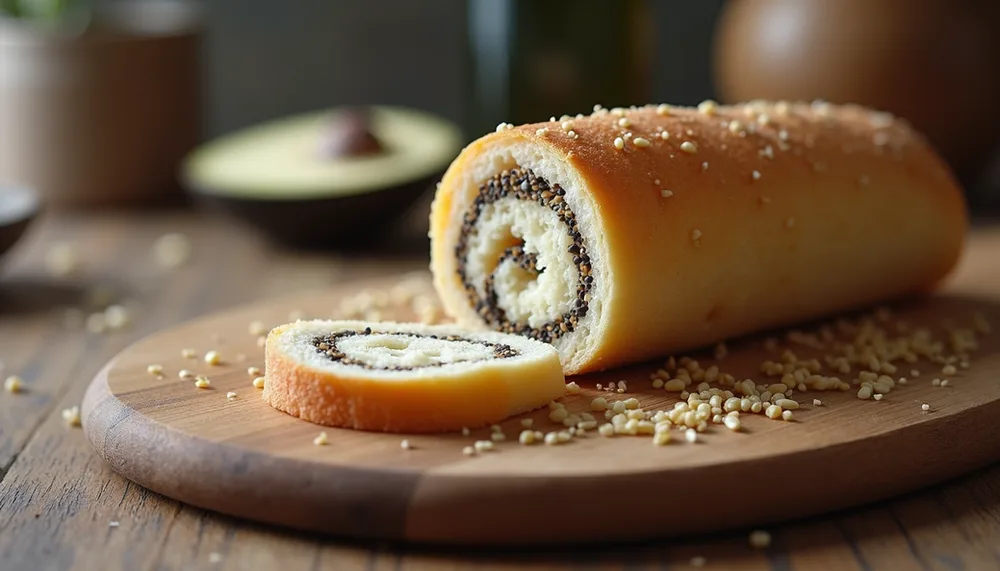
- Poppy seed roll (makowiec) — a rolled yeast cake with sweet poppy seed filling, a holiday favorite.
- Anthill cake (muraveinik) — crumbled shortbread piled high with condensed-milk cream and walnuts.
- Oreshki — walnut-shaped cookies filled with dulce de leche, a childhood favorite.
Most of these cakes come from our cake shop — order a whole cake for your table at home. Hungry for more than dessert? Read our guide to traditional Slavic food.
Russian Honey Cake (Medovik): How It’s Made
Medovik is the most loved Slavic dessert, and the one people search for most. A good honey cake is all about the layers.
For the layers: honey, sugar, butter, eggs, baking soda and flour. Warm the honey, sugar and butter together until the honey turns deep golden and caramel-scented, stir in the baking soda (it foams), then the eggs and enough flour for a soft dough. Divide into 8 parts, roll each one paper-thin and bake for 4–5 minutes. Trim each warm layer into a perfect circle and keep the scraps for crumbs.
For the cream: sour cream whipped with sugar — or a mix of sour cream and whipped cream for a lighter cake, or dulce de leche for a caramel honey cake.
Assembly: spread cream generously between the layers, cover the top and sides, then press the crumbs all over. The most important step: rest the cake in the fridge for at least 8 hours, ideally overnight. The layers drink up the cream and turn soft and tender.
Napoleon Cake: Tips for Flaky Layers
- Keep the butter and dough cold, so the layers stay flaky.
- Prick the rolled dough with a fork before baking, so it bakes flat.
- Cook the custard slowly and let it cool completely before assembling.
- Like medovik, Napoleon needs a night in the fridge to set.
Syrniki: Slavic Cheese Pancakes
Syrniki are small pancakes made from farmer’s cheese (tvorog), eggs, a little flour, sugar and vanilla.
- Use dry farmer’s cheese, or press out the liquid first, so the pancakes hold their shape.
- Shape small rounds, roll them in flour and fry on medium heat — crisp outside, soft inside.
- Serve warm with sour cream, berries, jam or honey.
Poppy Seed Roll (Makowiec)
A rolled yeast dough filled with ground poppy seeds, honey, raisins, nuts and lemon zest. Grind the poppy seeds finely for a smooth filling, let the dough rise twice for a light texture, and brush the roll with egg wash for a golden crust.
Baking Tips for Perfect Slavic Desserts
- Give it time. Layered cakes need a night in the fridge — plan a day ahead.
- Use real ingredients: good honey, full-fat sour cream, farmer’s cheese and real butter.
- Measure by weight for the thin cake layers; it keeps them even.
- Start simple: syrniki or a honey cake are forgiving and perfect for beginners.
- Serve with tea. In Slavic homes, dessert always comes with a pot of black tea.
Where to Buy Slavic Cakes in Anoka, MN
Don’t feel like baking? Our bakery in Anoka bakes Slavic cakes to order: honey cake, Napoleon, Spartak, Kyiv cake, Bird’s Milk, Prague and more, plus number and letter cakes and dessert boxes for celebrations. Order a cake online for pickup, or for delivery across the Twin Cities metro — from Anoka and Coon Rapids to Ramsey, Andover, Blaine and Minneapolis.
Slavic Desserts for Your Event
Weddings, showers, birthdays and holiday parties: a dessert table of honey cake, Napoleon, mini cakes and pastries is always the first thing to disappear. Our catering team can put one together for any number of guests, and custom cakes are made to your design.
Slavic Desserts: Questions We Hear Often
What is the most famous Russian dessert?
Honey cake (medovik) — closely followed by Napoleon cake and Bird’s Milk.
What is the difference between honey cake and medovik?
None — medovik is simply the Russian name for honey cake (myod means honey).
How long does a honey cake keep?
Up to 5 days in the fridge, covered. It actually tastes best on the second day.
Where can I buy a honey cake near Anoka?
At Tasteful Delights Restaurant in Anoka — order online from our cake shop.